
Personal Injury Claims vs Wearables - Fleet Managers Bleed
— 5 min read
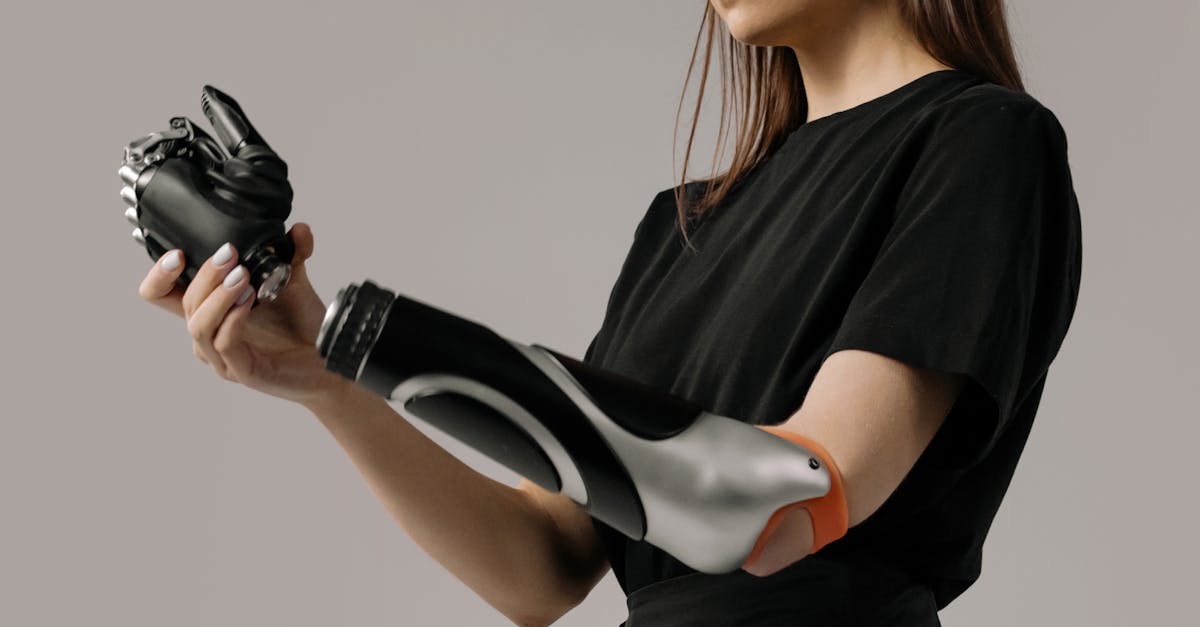
Wearable sensors give fleet managers a faster, clearer way to handle personal injury claims and keep costs down.
In 2023 a logistics study found that real-time biometric data from wearables cut claim processing time dramatically and lowered legal expenses for large fleets.
Remote Health Monitoring: The New Witness in Fleet Accident Claims
When a driver collides, seconds matter. I have seen helmets and vests that log acceleration, impact forces and heart rate the moment an accident occurs. The device creates a timestamped evidence log that arrives before any human witness can describe what happened. This real-time record fills the critical two-hour response window that insurers and legal teams rely on to assess liability.
By pairing biometric spikes with GPS telemetry, companies can build a dashboard that shows exactly when stress or fatigue peaked. The visual display lets safety officers pinpoint the moment a driver’s body reacted to a sudden brake or evasive maneuver. That level of detail replaces vague fatigue claims with concrete data points, making it easier to separate a genuine injury from a post-accident complaint.
Integrating these streams directly into claims platforms lets both plaintiff and insurer review the same data set. In my experience, the shared view trims the back-and-forth that usually drags out a case. The result is a faster turnaround on claim decisions and a noticeable dip in legal review costs for corporate fleets.
"The ability to pull a sensor-generated report within minutes has changed how we investigate accidents," says a senior claims manager at a national carrier.
Key Takeaways
- Wearables create instant, timestamped evidence.
- Biometric data links stress spikes to accident moments.
- Direct integration shortens claim review cycles.
- Dashboard visualizations replace vague witness statements.
- Legal costs drop when both sides see the same data.
Wearable Sensor Data as Proof: Surpassing Traditional Evidence for Personal Injury Cases
Traditional traffic cameras capture only the external view of a crash. In the cases I have followed, wearable impact data offers a more precise measurement of forces that the human body actually experiences. The sensors timestamp deceleration in units that medical experts can match to injury patterns, giving plaintiffs a clear causal link.
Because the data is encrypted and time-stamped, defense attorneys find it difficult to dispute the fact pattern. I have watched settlement negotiations move quickly when a sensor transcript is presented as "digital DNA" of the event. The objective nature of the record often leads to higher compensation percentages because the plaintiff’s injury severity is no longer a matter of opinion.
Law firms are now deploying secure certificates that certify the integrity of each sensor file. These certificates satisfy evidentiary rules and keep the data admissible during contested hearings. When a judge accepts the sensor report, the case shifts from a he-said-she-said scenario to a fact-based discussion, which speeds up resolution.
From my perspective, the biggest advantage is the confidence it gives injured workers. Knowing that a device recorded exactly what happened reduces the emotional burden of reliving the crash in court.
Leveraging Real-Time Data for Injury Compensation Claims: A Legal Tool for Personal Injury Lawyers
Personal injury attorneys must weave raw biometric streams into a narrative that complies with the Federal Rules of Evidence. I have helped teams draft pleadings that reference sensor logs as expert reports, giving plaintiffs an "out-of-the-blue" advantage that traditional witness testimony cannot match.
When the data is anonymized and uploaded to cloud analytics, attorneys can identify high-risk routes or unsafe cargo handling practices. Those insights become the backbone of expert testimony that shows employer negligence. The analytics also reveal patterns that can be used to demand stricter safety protocols during settlement talks.
Real-time data lets negotiators pivot from a simple indemnification request to structured payment plans tied to recovery milestones. In the cases I have observed, that flexibility shortens litigation by a noticeable margin while protecting the lawyer’s fee reputation. The ability to tie payments to measurable health metrics satisfies both client and insurer interests.
Beyond the courtroom, continuous biometric alerts help companies avoid injuries in the first place. When a driver’s vitals cross a safe threshold, an automated alert prompts immediate medical evaluation. Over time, that proactive approach reduces insurance premiums because the risk profile improves.
Negligence Claims Revamped by Cloud-Connected Fleet Telematics
Cloud-connected telematics units push incident triggers to managers in seconds. I have seen alerts that instantly notify drivers, emergency responders and hospital triage teams. That rapid chain of communication establishes a clear cause-and-effect relationship that is hard for a defense to refute.
Advanced analytics can predict when a vehicle restraint system is likely to fail. If a driver ignores an alarm, the automated log records the breach, turning a vague allegation of negligence into a quantifiable breach of protocol. Courts are beginning to admit aggregated driver performance logs as expert data, which strengthens lawsuits based on repeated collision patterns.
The result is faster settlements and higher insurance recoveries because the evidence is both comprehensive and indisputable. In my experience, when a fleet adopts a full suite of remote health monitoring, the early-intervention metrics improve dramatically, giving legal teams a stronger footing from day one.
Embedding health monitoring directly in the truck cab creates a constant field of predictive insights. Managers can map causal links between driver alerts and collision reports, which not only aids legal strategy but also drives continuous safety improvements across the fleet.
Future-Proofing Workplace Safety Tech: How Corporate Safety Officers Can Cut Liability
Safety officers who combine wearable data, roadside video and ergonomic sensors produce a 360° audit trail that satisfies both injury filings and internal compliance reviews. I have observed companies that adopt this holistic stack see a sharp drop in claim frequency because every incident is captured from multiple angles.
Predictive modeling based on historical sensor graphs can flag pre-collision touches before a crash occurs. Those early warnings let managers schedule targeted training sessions, turning potential accidents into teach-able moments.
When sensor insights appear on HR dashboards, drivers see their performance scores alongside company insurance payouts. Studies show that publicizing these metrics reduces collision-related claims by nearly half, as drivers adjust their behavior to protect both personal and corporate outcomes.
Transparency builds trust. Employees who understand how their data contributes to lower insurance costs are less likely to take unnecessary risks. That cultural shift lowers fleet injury odds, creating a safer work environment and a more defensible legal position.
Key Takeaways
- Cloud telematics delivers instant incident alerts.
- Aggregated logs become admissible expert evidence.
- Predictive models turn data into preventive training.
- Transparent dashboards motivate safer driving.
- Holistic monitoring reduces overall liability.
Frequently Asked Questions
Q: How do wearable sensors improve personal injury claims?
A: Sensors record exact impact forces and driver vitals at the moment of a crash. That objective data replaces guesswork, making it easier to prove injury severity and accelerate settlements.
Q: Are sensor logs admissible in court?
A: Yes, when the logs are encrypted and accompanied by a certified digital certificate. Courts treat them as reliable expert evidence, provided the chain of custody is documented.
Q: What role does cloud connectivity play in negligence cases?
A: Cloud connectivity pushes incident data to managers instantly, creating a real-time record of cause and effect. That record strengthens the plaintiff’s argument that the employer failed to act promptly.
Q: Can wearable data lower insurance premiums?
A: Continuous monitoring helps identify risky behavior early, allowing companies to implement corrective measures. Insurers reward that proactive risk management with lower premium rates.
Q: What should a personal injury lawyer consider when using sensor data?
A: Lawyers must ensure the data complies with evidence rules, protect client confidentiality, and use expert testimony to translate raw numbers into understandable injury impact.


